Safety First: Real-time conflict tracking
Navigating Ethiopia in 2026 requires more than just a map; it requires real-time intelligence. While the country remains a stunning destination for independent travelers, regional dynamics can shift quickly. This chapter provides the framework for staying safe, informed, and confident on the ground.

The 2026 Security Landscape
Security in Ethiopia is highly regional. Most of the country, including the main tourist hubs, is peaceful and welcoming. However, border areas and specific pockets in the north and west require careful monitoring. The government has invested heavily in tourism security, but local tensions can still flare up unexpectedly.
Understanding the "Safe Corridors"
We define "Safe Corridors" as routes that have remained stable for over 12 months and are actively used by international NGOs and independent travelers. These routes are prioritized for infrastructure maintenance and security patrols.
- The Northern Spine: Addis Ababa – Debre Markos – Bahir Dar – Gondar. This is the most popular route for history buffs.
- The Rift Valley Path: Addis Ababa – Ziway – Awassa – Arba Minch. Ideal for nature lovers and those heading to the Omo Valley.
- The Eastern Link: Addis Ababa – Adama – Dire Dawa – Harar. A journey into the heart of Islamic Ethiopia.
Real-Time Monitoring Tools
Don't rely on news headlines from three weeks ago. Use these live resources to get the most accurate picture of the situation on the ground:
- Local Guesthouse Network: Owners in Gondar and Lalibela often have the most accurate "road status" reports. They talk to drivers every day.
- Telegram Channels: Join the Abyssinia Travel Alert group for community-sourced updates. This is where locals and expats share real-time info.
- NGO Flight Patterns: If domestic flights are operating normally, it's usually a strong sign of regional stability. NGOs like the UN and ICRC are good barometers.
"The secret to safety in Ethiopia isn't avoiding the country—it's knowing exactly which road to take on which day." — Dawit, Senior Guide
Practical Safety Tips
- Avoid Night Travel: Almost all road incidents occur after dark. Ensure your bus or private car reaches its destination by 6:00 PM. The roads are often poorly lit and livestock can be a major hazard.
- Checkpoints: Expect frequent federal police checkpoints. Keep your passport and visa handy. A smile and a "Selam" (Peace) go a long way in de-escalating any tension.
- Photography: Never photograph military installations, government buildings, or bridges. When in doubt, ask a local or your guide. Breaking this rule can lead to serious questioning.
Emergency Protocol
If you find yourself in an area where tensions are rising:
- Stay Put: Most disturbances are localized and brief. Your hotel is usually the safest place. Don't try to "escape" through unknown territory.
- Contact your Embassy: Ensure you are registered with your home country's travel notification system (e.g., STEP for US citizens). They can provide official guidance.
- Listen to Locals: If the market starts closing early or people are heading home, follow suit. They know the rhythms of their own neighborhood better than anyone.
Digital Nomad HQ: High-speed fiber internet
Addis Ababa is no longer the "black hole" of connectivity. With the entry of Safaricom and the massive expansion of EthioTelecom's fiber network, the city is becoming a viable hub for remote work in East Africa. The "Silicon Valley of East Africa" is starting to take shape.

The Connectivity Revolution
In 2026, 5G is active in central Addis, and fiber-to-the-home (FTTH) is the standard for mid-range and luxury apartments. This has opened up opportunities for digital nomads who previously avoided the country due to poor internet.
Top Neighborhoods for Nomads
| Neighborhood | Internet Quality | Vibe | Best For |
|---|---|---|---|
| Bole | Excellent (5G/Fiber) | Upscale, International | Fast-paced work, networking, nightlife |
| Kazanchis | Very Good (Fiber) | Diplomatic, Central | Proximity to UN/ECA, quiet cafes, business |
| Old Airport | Good (Fiber) | Residential, Green | Long-term stays, families, peaceful environment |
Best Coworking Spaces
- Iceaddis (Kazanchis): The OG of the tech scene. Great for meeting local developers and entrepreneurs. They host regular tech talks and hackathons.
- BlueSpace (Bole): Premium, quiet, and offers the most reliable backup power in the city. It's the go-to for corporate nomads and consultants.
- The Urban Center (Meskel Sq): A beautiful, architecturally-focused space that's perfect for creatives. It also houses a great cafe and library.
The "Power" Problem
While internet is stable, power can still fluctuate due to infrastructure upgrades and seasonal changes.
- Pro Tip: Always choose a workspace or apartment with a standby generator. This is a standard feature in high-end buildings.
- Gear Essential: A high-capacity power bank for your laptop (e.g., Anker 737) is non-negotiable. It will save your work during brief outages.
Nomad Community & Networking
The nomad community in Addis is small but tight-knit. You'll find a mix of techies, researchers, and NGO workers.
- Weekly Meetups: Check the Addis Tech & Nomad group on Meetup.com for regular coffee meetups and networking events.
- Friday Jazz: Most networking happens over honey wine (Tej) at Fendika on Friday nights. It's the best place to meet interesting people from all walks of life.
The 2026 Cash Crisis: Parallel markets
Ethiopia's economy is in a state of transition. In 2026, the gap between the official bank rate and the parallel market rate remains a defining feature of travel budgeting. Navigating this requires a bit of savvy and an understanding of local norms.

Understanding the Two Rates
- Official Rate: Used by banks, ATMs, and high-end hotels. It's set by the National Bank of Ethiopia.
- Parallel Rate: The "street" rate, often 40-60% higher than the bank rate. This is the rate that reflects the true market value of the Birr.
The Legality Warning
[!IMPORTANT] Trading currency on the street is technically illegal. However, the reality on the ground is that almost all small businesses and guesthouses operate based on the parallel valuation. Be discreet and only exchange with trusted contacts.
How to Manage Your Money
- Bring Pristine USD: Only $50 and $100 bills printed after 2021. Any mark, tear, or old series will be rejected or given a lower rate. The "big head" bills are preferred.
- Don't Use ATMs Unless Necessary: You will get the official rate, effectively making your trip 50% more expensive. ATMs are also prone to running out of cash or swallowing cards.
- Pay in USD for Big Items: International flights and high-end tours are often quoted and paid in USD. This avoids the hassle of carrying large stacks of Birr.
- The "Tej" Method: Many travelers find that paying their guesthouse bill in USD (at a negotiated rate) is the easiest way to manage currency. It's a win-win for both parties.
Digital Payments
- Telebirr: The local mobile money giant. As a foreigner, you can sign up with your passport. It's the safest way to carry large amounts of "cash" and is accepted at many shops and restaurants.
- Credit Cards: Only accepted at major airlines, 5-star hotels (Hilton, Sheraton, Hyatt), and a few high-end galleries in Addis. Don't rely on them elsewhere.
Typical Costs (Parallel Rate)
- Macchiato: 40 - 60 Birr ($0.40) - The fuel of the nation.
- Local Meal (Injera): 200 - 400 Birr ($2.50) - Filling and delicious.
- Mid-range Hotel: 3,000 - 5,000 Birr ($35 - $50) - Clean and comfortable.
- Domestic Flight: 8,000 - 12,000 Birr ($80 - $120) - The fastest way to get around.
The Northern Circuit: Beyond the trail
The "Historic Route" is the soul of Ethiopia. While Lalibela and Gondar are the stars, the true magic lies in the spaces between them. The rugged landscapes and ancient traditions will leave you in awe.

Lalibela: More Than Just Rock
Don't just see the 11 churches and leave. The surrounding mountains offer some of the best trekking in the country.
- Asheten Maryam: A 4-hour hike (or mule ride) to a monastery at 3,150m with breathtaking views of the Lasta Mountains.
- Yemrehanna Kristos: A stunning cave church 42km from town, built in the Axumite style. It predates the rock-hewn churches and is a masterpiece of wood and stone work.
Where to Stay in Lalibela
- Cliff Edge: For the best views of the Lasta Mountains. Waking up to the mist in the valley is unforgettable.
- Ben Abeba: Not just a restaurant, but an architectural marvel. Stay for the sunset and the unique fusion of Ethiopian and Scottish hospitality.
Gondar: The Camelot of Africa
The Royal Enclosure is a must, but the Azmari Bets are where the city comes alive. Gondar was the capital of Ethiopia for over 200 years.
- Fasil Ghebbi: Explore the 6 castles within the enclosure. Go early (8:00 AM) to avoid the heat and the large tour groups.
- Debre Berhan Selassie: The most famous ceiling in Africa. Look for the 80 winged cherubs, each with a unique expression.
The Simien Mountains
A UNESCO World Heritage site and home to the endemic Gelada baboons. The "Chessboard of the Gods."
- The 3-Day Trek: Sankaber to Chennek. This covers the most dramatic escarpments and the Jinbar Waterfall.
- The 5-Day Trek: Includes the ascent of Ras Dashen (4,550m), the highest point in Ethiopia. It's a challenging but rewarding climb.
- Logistics: You must hire a scout and a guide. We recommend booking through the Simien Mountains Trekking Association in Debark to ensure fair wages and experienced staff.
Wildlife to Spot
- Gelada Baboons: Thousands of them. They are peaceful and allow you to sit among them as they forage for grass.
- Walia Ibex: Found only in the Simiens, usually on the higher cliffs near Chennek. They are a symbol of national pride.
- Ethiopian Wolf: The world's rarest canid. Look for them on the Bwahit Pass at dawn or dusk.
Secret Omo: Ethical tribal visits
The Omo Valley is one of the most culturally diverse places on Earth. However, it is also a place where tourism can easily become exploitative. This chapter is about visiting with dignity, respect, and a focus on genuine connection.

The "Human Zoo" Trap
Many tours take you to a village, you pay for photos, and you leave. This creates a transactional relationship that erodes cultural pride and turns people into exhibits.
How to Visit Ethically
- Stay Overnight: Camping in or near a village allows for genuine interaction beyond the "photo op." You'll see the daily rhythms of life—milking cows, cooking, and storytelling.
- Hire a Local Guide from the Tribe: Don't just bring a guide from Addis. Hire a Mursi guide for Mursi territory. They act as cultural bridges, not just translators, and ensure your money stays in the community.
- Don't Give Cash to Children: It encourages them to drop out of school to beg from tourists. If you want to help, donate to the local school or clinic, or bring useful supplies like pens and notebooks.
Key Tribes & Regions
- The Hamer: Known for the "Bull Jumping" ceremony and their beautiful ochre-colored hair. They are incredibly welcoming and have a rich oral history. Visit the Turmi market on Mondays.
- The Mursi: Famous for the lip plates worn by women. They live in the Mago National Park and have a fierce reputation, but are deeply traditional. Visit early in the morning to avoid the "tourist rush."
- The Kara: Masters of body painting using white chalk and colored earth. Their villages overlook the Omo River and offer some of the most stunning views in the valley.
The Market Calendar
Markets are the social heart of the Omo. It's where people come to trade, gossip, and find partners.
- Monday: Turmi (Hamer) - The largest and most vibrant.
- Thursday: Key Afer (Banna & Ari) - Great for seeing a mix of different tribes.
- Saturday: Dimeka (Hamer & Banna) - A more local, less touristy experience.
"A market in the Omo is not a shopping trip; it's a vibrant, living library of human history."
Addis Unfiltered: Hidden jazz & coffee
Addis Ababa is a city that hides its best features behind corrugated iron fences and unassuming doors. It's a city of contrasts, where ancient traditions meet modern aspirations. You have to know where to look.

The Ethio-Jazz Revival
Ethio-Jazz is a unique blend of ancient Ethiopian five-tone scales with modern jazz and funk. It's the sound of the city's golden age, reborn for a new generation.
- Fendika Cultural Center: The heart of the scene. Melaku Belay (the owner and world-class dancer) has created a space that is welcoming, raw, and electric. Expect traditional music, jazz, and amazing dance.
- African Jazz Village: Located in the Ghion Hotel. This is where the legend Mulatu Astatke, the father of Ethio-Jazz, often performs. It's a more formal but legendary venue.
- Jupiter Hotel (Bole): For a more polished, "dinner jazz" vibe on Thursday nights. Great for a relaxed evening with good food.
The Coffee Ritual
Ethiopia is the birthplace of coffee (Buna). You don't just "grab a coffee" here; you participate in a ceremony that has been practiced for centuries.
- The Roast: The green beans are roasted over coals in front of you, filling the air with a rich aroma.
- The Smoke: Frankincense is burned to create a sacred and welcoming atmosphere.
- The Pour: The coffee is poured from a Jebena (clay pot) into small cups (Sini) from a height, creating a beautiful foam.
Best Coffee Spots
- Tomoca (Piazza): The oldest and most famous. Stand at the counter and drink a "Macchiato Short" while soaking in the history of the city.
- Galani Coffee (Megenagna): A modern, industrial space that serves some of the best specialty beans in the country. They also have a great art gallery.
- Hadero (Lideta): Located in a converted warehouse, it's a temple to modern Ethiopian coffee culture, offering everything from traditional brews to nitro cold brew.
Hidden Culinary Gems
- Yod Abyssinia: A bit touristy, but the food and traditional dance show are genuinely high quality and a great introduction to Ethiopian culture.
- Small "Buna" Stalls: The best Shiro (chickpea stew) is often found in the smallest, nameless stalls where the locals eat. Look for the busiest ones!
Transport Secrets: Local flight prices
Getting around Ethiopia is a choice between time and money. The country is vast and the terrain is rugged, making transport an adventure in itself. Here is how to master both.

The Ethiopian Airlines Hack
Ethiopian Airlines has a monopoly on domestic flights. If you book your international flight with them, you get a 50-60% discount on all domestic flights. This can save you hundreds of dollars.
- How to do it: Use the "Multi-city" booking tool on their website or visit a local ET office in Addis. Make sure your international ticket number is linked.
- Pro Tip: Domestic flights are often cheaper if booked at a physical office in Ethiopia using Birr (at the parallel rate) rather than online in USD.
The New Railway (Addis-Djibouti)
A Chinese-built marvel that cuts the journey to the coast from 3 days to 12 hours. It's a game-changer for regional travel.
- Route: Lebu Station (Addis) to Dire Dawa and Djibouti City. The scenery changes from lush highlands to stark deserts.
- Experience: Clean, air-conditioned, and surprisingly punctual. It's a great way to see the country from a different perspective.
- Booking: You must book at the station or through a local agent. Online booking is still unreliable in 2026, so plan ahead.
Public Buses & Minibuses
- Level 1 Buses (Selam Bus, Sky Bus): Large, comfortable coaches with fixed schedules, assigned seating, and often a snack. Best for long hauls (e.g., Addis to Bahir Dar).
- Minibuses: The "blue and white" lifeblood of the country. They go everywhere, leave when full, and are an experience in themselves. Be prepared for loud music and close quarters!
- Ride-Hailing: In Addis, use Ride or Feres. They are the "Uber" of Ethiopia and are safe, metered, and reliable. Download the apps as soon as you get your SIM.
Driving Yourself?
[!CAUTION] We do not recommend self-driving in Ethiopia. Road conditions can be poor, livestock is everywhere, and local traffic laws are complex. Hire a car with a driver—it's affordable, safer, and allows you to enjoy the view.
Connectivity: SIM cards & VPNs
In 2026, staying connected is easier than ever, but you still need a strategy for the occasional digital "hiccup." Whether you're a digital nomad or just want to share your photos, here's the lowdown.

Getting Your SIM Card
Don't wait until you get to your hotel. Do it at Bole International Airport as soon as you land. The process is straightforward and takes about 20-30 minutes.
- Safaricom Ethiopia: Generally faster data speeds and better customer service. Their network is expanding rapidly.
- EthioTelecom: The state-owned giant with the best coverage in remote rural areas and small villages.
- Requirements: You'll need your passport and a bit of patience. They will take your photo and register your SIM.
Data Packages
Data is incredibly cheap compared to Western standards. For about $10 (parallel rate), you can get 20GB+ of monthly data.
- Pro Tip: Use the Safaricom or EthioTelecom apps to top up using Telebirr. It's much easier than buying scratch cards.
The VPN Essential
Ethiopia occasionally restricts social media (Facebook, WhatsApp, Telegram) during times of national exams or political tension. A VPN is your best friend during these times.
- Must-Have Apps: Download ProtonVPN, Windscribe, or Mullvad before you arrive. Some VPN websites are blocked within the country.
- Redundancy: Have at least two different VPN providers installed in case one is blocked.
Internet Blackouts
While rare in 2026, total internet blackouts can happen in specific conflict zones for security reasons.
- Offline Maps: Download the entire country on Google Maps and Maps.me. They are lifesavers when data is unavailable.
- Satellite Messaging: For extreme off-grid travel (e.g., Danakil Depression or deep Omo), consider a Garmin InReach for emergency communication.
Dining Local: The real cost of Injera
Ethiopian cuisine is a communal experience. You eat with your hands, you share from one plate, and you feed your friends (Gursha). It's a celebration of community and hospitality.

The Foundation: Injera
A sourdough flatbread made from Teff, a tiny ancient grain that only grows in the Ethiopian highlands. It's gluten-free, high in iron, and acts as your plate, fork, and spoon.
Must-Try Dishes
| Dish | Description | Spice Level |
|---|---|---|
| Shiro Wot | Chickpea flour stew. The staple of every home and a traveler's favorite. | Mild to Medium |
| Doro Wot | Spicy chicken stew with a hard-boiled egg. The national dish, usually for holidays. | High |
| Kitfo | Minced raw beef marinated in chili (Mitmita) and clarified butter (Niter Kibbeh). | Medium |
| Beyaynetu | A colorful platter of various vegan stews. Perfect for fasting days. | Varies |
The Fasting Calendar
The Ethiopian Orthodox Church has over 200 fasting days a year (including every Wednesday and Friday).
- What it means: "Fasting" means vegan. If you are a vegetarian or vegan, Ethiopia is paradise. Just ask for "Yetsom" (fasting) food and you'll get a delicious Beyaynetu.
Food Safety for Travelers
- Water: Never drink tap water. Use bottled water or a high-quality filter (like a Grayl or LifeStraw). Even for brushing teeth, use bottled water.
- Raw Meat: Kitfo and Gored Gored are delicious but carry a higher risk of parasites. Eat them only at reputable, busy establishments in Addis.
- Hand Washing: Every restaurant has a traditional pitcher and basin. Use it. It's a vital social ritual before eating and shows respect for the food.
"To eat alone in Ethiopia is considered a tragedy. Join the table and share the meal."
Off-Path: GPS wild camping coordinates
For those who want to escape the guesthouse circuit, Ethiopia offers some of the most dramatic and untouched wild camping on the continent. From high-altitude plateaus to volcanic deserts.
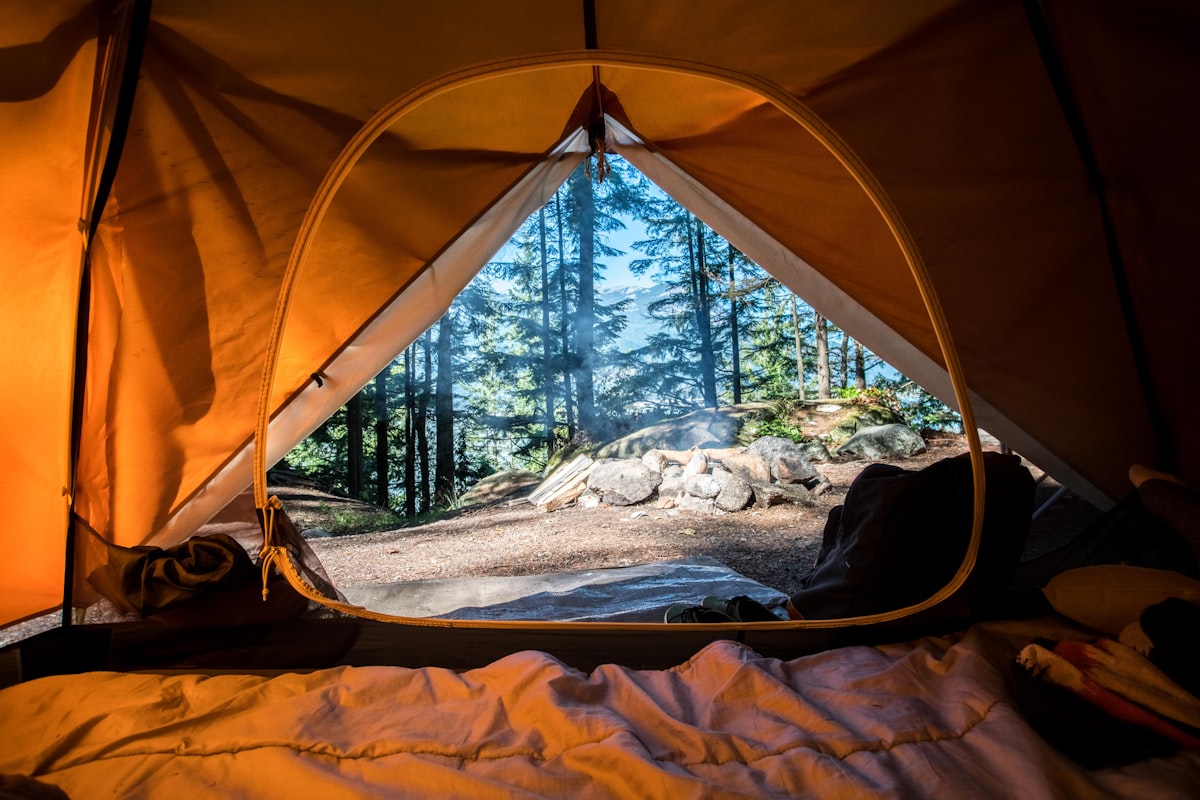
The Bale Mountains
The "Galapagos of Africa." High-altitude plateaus, giant lobelias, and the chance to see the Ethiopian Wolf. It's a world of its own, often shrouded in mist.
- Sanetti Plateau (4,000m): Cold, windy, and ethereal. It feels like the surface of another planet.
- Harenna Forest: A moss-draped cloud forest that feels like a fairy tale. It's home to wild coffee and elusive leopards.
Verified GPS Spots
- Wolf Viewpoint (Sanetti): 6.7123° N, 39.7845° E. High chance of seeing wolves at dawn. It's right near the highest road in Africa.
- Harenna Clearing: 6.4512° N, 39.7210° E. Near a small stream, sheltered from the wind by giant trees.
The Danakil Depression
The hottest place on Earth and one of the lowest. You cannot travel here alone; you must be part of an organized expedition with a military escort for safety.
- Erta Ale: Camp on the rim of an active lava lake. The glow at night is something you'll never forget.
- Dallol: A psychedelic landscape of sulfur springs, salt formations, and neon-colored pools.
Wild Camping Rules
- Ask Permission: If you are near a settlement, always find the local headman (Abba Gada) and ask to camp. They will often provide a guard for a small fee, which is highly recommended.
- Leave No Trace: The Ethiopian highlands are a fragile ecosystem. Pack out everything you pack in, including all trash and food waste.
- Temperature: At 4,000m, it drops below freezing every night. Bring a -10°C rated sleeping bag and high-quality thermal layers.
Cultural Etiquette: The 13th Month
Ethiopia is a land of deep traditions, ancient pride, and warm hospitality. Understanding a few key cultural nuances will transform your trip from a sightseeing tour into a series of meaningful connections.

The Time & Calendar
- 13 Months: The Ethiopian calendar has 12 months of 30 days and a 13th month (Pagume) of 5 or 6 days. This is why the tourism slogan is "13 Months of Sunshine."
- The Year: Ethiopia is roughly 7 years and 8 months "behind" the Gregorian calendar. In 2026, it is the year 2018 in Ethiopia. Don't be surprised by the dates on newspapers!
- Clock Time: The day starts at dawn (6:00 AM). So, 7:00 AM is "1:00" in Ethiopian time. Always clarify "International" or "Ethiopian" time when booking transport or meetings.
Social Graces
- Greetings: A soft handshake is common. Between friends, it's a handshake followed by a light "shoulder bump" (three times). It's a sign of brotherhood and respect.
- Dress Code: Ethiopians are generally modest. In churches, women should cover their heads and shoulders (a white scarf is best), and men should wear long pants.
- Religion: It is a deeply religious country (Orthodox Christian and Muslim). Respect prayer times, religious holidays, and the sanctity of holy sites.
The Art of the "Gursha"
When eating communally, a friend may wrap a choice piece of food in injera and place it directly into your mouth. This is a Gursha.
- The Rule: You cannot refuse a Gursha. It is a sign of high respect, friendship, and love. Accept it with a smile and return the favor later in the meal.
Tipping (Gursha for the Pocket)
- Restaurants: 10% is generous and much appreciated.
- Guides/Drivers: $5 - $10 per day is standard for good service.
- Photos: In the Omo Valley, agree on a price before taking the photo. In the north, it's less transactional, but a small tip for a posed photo is a nice gesture.
Emergency Manual: Hospitals & Embassies
No one plans for an emergency, but in Ethiopia, being prepared is the difference between a minor setback and a major crisis. This manual provides the essential contacts you need when things go wrong.

Medical Care in Addis
For anything serious, get to Addis Ababa as quickly as possible. Regional hospitals are often under-equipped and lack specialized staff.
- Nordic Medical Centre (NMC): European-standard care, highly recommended for expats and travelers. They have an excellent emergency department. (Tel: +251 92 910 1112)
- Korean Foundation Hospital (MCM): One of the best surgical facilities in the city, with many international doctors.
- Silk Road Hospital: A modern, Chinese-built facility with advanced diagnostic equipment and a focus on international patients.
Pharmacies
- Kenema Pharmacy: A reliable government-run chain found throughout the city. They usually have a good stock of basic medicines.
- Pro Tip: Bring a full supply of any chronic medications, as specific brands can be hard to find or may be counterfeit in smaller shops.
Embassy Contacts (Addis Ababa)
- USA: +251 11 130 6000
- UK: +251 11 617 0100
- Germany: +251 11 123 5139
- Canada: +251 11 317 0000
Evacuation Insurance
[!CAUTION] Do not travel to Ethiopia without insurance that covers Emergency Medical Evacuation. If you are injured in a remote area like the Simiens or the Danakil, a private helicopter evacuation to Nairobi or Dubai can cost upwards of $50,000 and must be paid upfront if you don't have insurance.
Local Emergency Numbers
- Police: 991
- Ambulance (Red Cross): 907
- Fire: 939